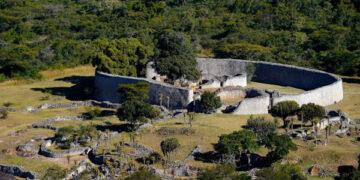




For centuries, Great Zimbabwe has been the subject of heated debates about its place in Africa’s heritage and history. But all the debates and theories have come to one fundamental question: What exactly was Great Zimbabwe?
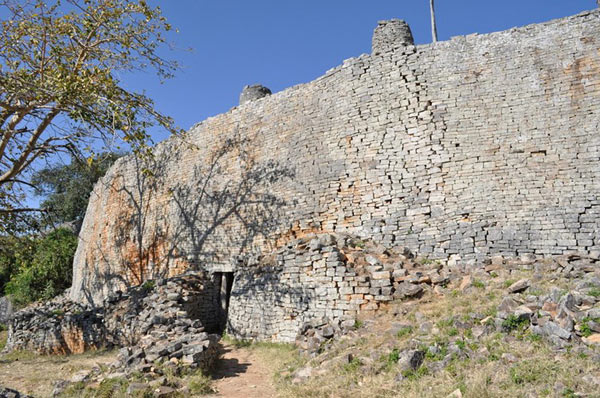
Structurally, Great Zimbabwe appears to be a city of a mysterious medieval African civilization. Located near Masvingo in Zimbabwe, the site features a large conical tower and a circular surrounding wall. Archaeological studies indicate that humans lived in Great Zimbabwe as early as the 1100s AD.
However, in the 15th century, it was abandoned for unclear reasons, and today it is just a deserted stone ruin.
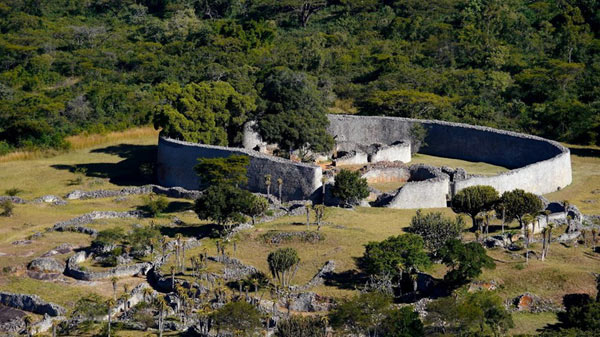
In 1868, a group of European explorers traveling through Africa accidentally discovered a vast, desolate wasteland in Zimbabwe. This site became known as “Great Zimbabwe” and quickly gained worldwide fame.
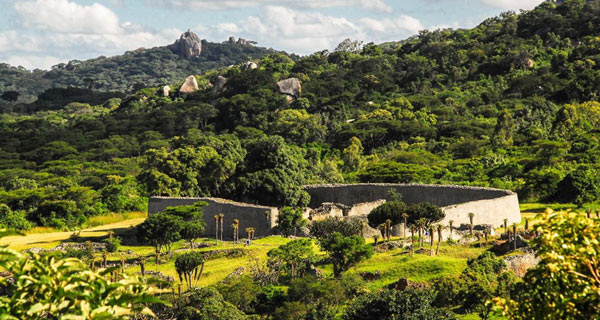
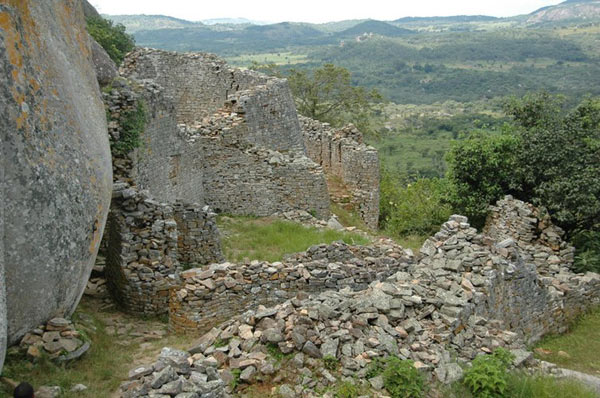
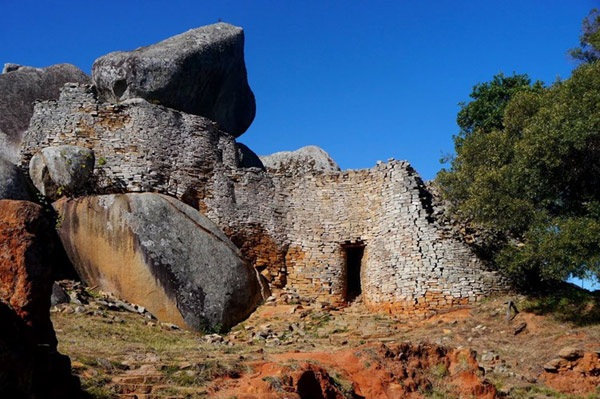
This place features massive stone structures dating back to the 12th century, which, although largely damaged, still retain the majestic grandeur of an architectural complex built by a powerful kingdom.
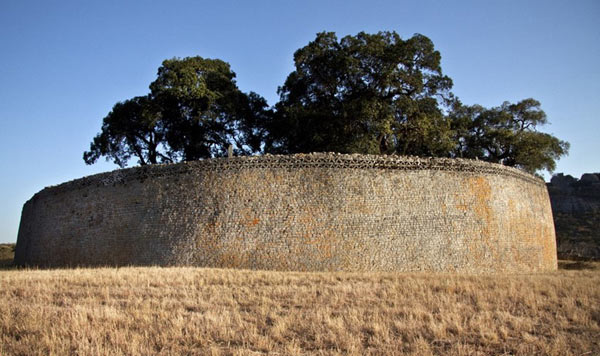
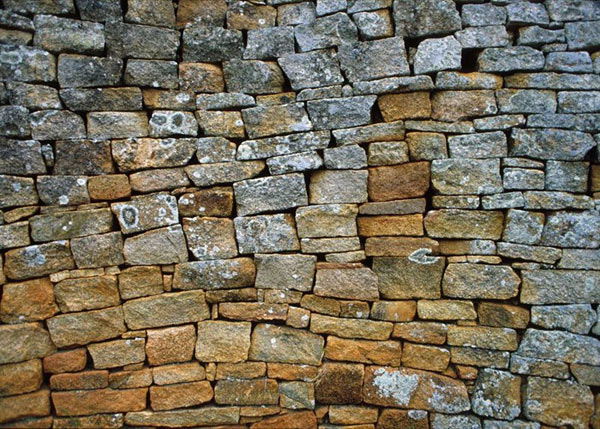
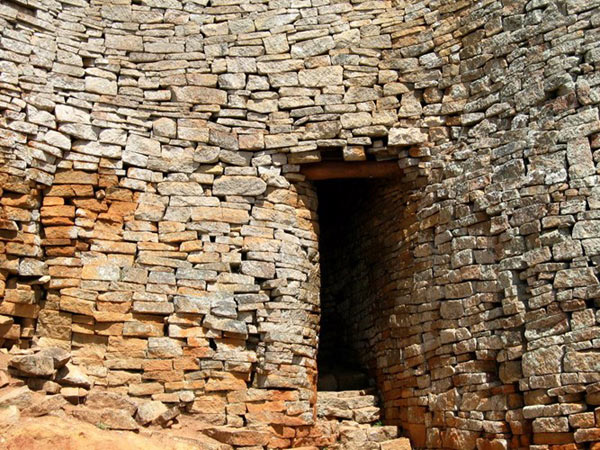
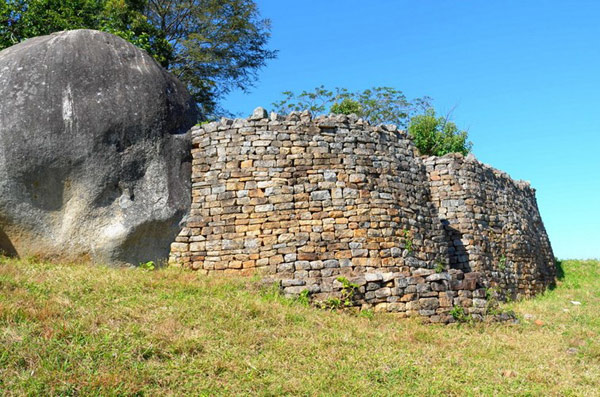
The centerpiece of the Greater Zimbabwe site is a large, oval-shaped fortress. The structure was built using highly skilled, precisely cut stone slabs, without the need for any binding material. The walls are interrupted by three gates.
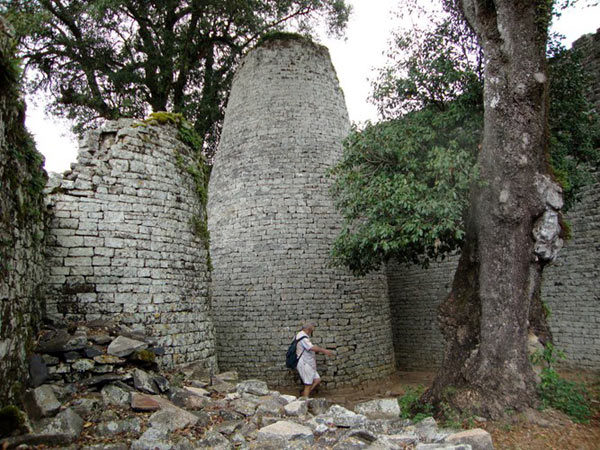
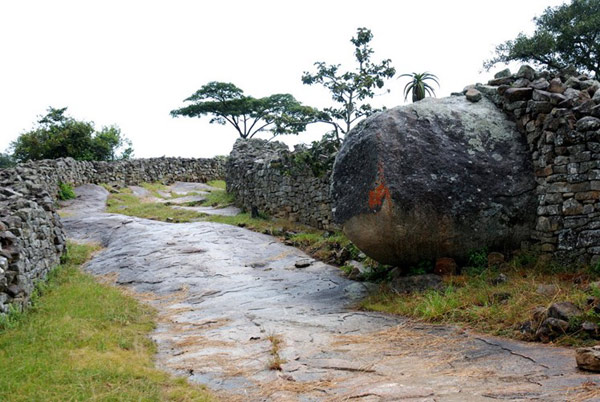
Inside the citadel lies a rich architectural complex with surrounding walls, remnants of houses, palaces, stone steles, underground tunnels, wells, and especially tall, solid conical stone towers whose meaning remains unexplained to this day.
Since its discovery, the Great Zimbabwe site has been shrouded in many myths by Europeans.
They believe that Greater Zimbabwe is the gold-mining land of King Solomon mentioned in the Old Testament. The city walls there were built in the style of the palace King Solomon built on Mount Moliah.
This legend has led to disaster for this unique African monument.
A gold rush erupted among Europeans in Greater Zimbabwe. They hired locals and used advanced machinery to excavate the entire archaeological site to a depth of up to 3 meters.
Although no gold was found, the Europeans unearthed many valuable artifacts, including ancient texts from the civilization that built Greater Zimbabwe. All of these were lost to the market before scientists could study them. Subsequent official excavations continued to uncover a large quantity of artifacts, including weapons, tools, and some exquisitely crafted jewelry. Some of these came from ancient China, Arabia, Persia, and even India.
This suggests that Great Zimbabwe had cultural and trade exchanges with Asia from ancient times, serving as a trading center in Southern Africa. By the 15th century, Great Zimbabwe appears to have declined. The true reasons for this remain a mystery. It is believed that drought and overgrazing led to the depletion of land resources in Great Zimbabwe. Researchers estimate that around 30,000 people once lived in the land of Great Zimbabwe and surrounding areas. The decline in land productivity led to famine and made it impossible for the people of Great Zimbabwe to continue living there.
To this day, the identity of the rulers of the Greater Zimbabwe Kingdom and the reasons for its decline remain an unsolved mystery for historians.
Today, many believe that Greater Zimbabwe was built by the indigenous Gokomere people. This tribe lived around Greater Zimbabwe from the 4th century, were skilled in pottery making, and enjoyed creating art with stone.
Furthermore, the Gokomere people were also skilled traders. They built a vast trade network, stretching all the way to the coast of Mozambique, and traded goods with merchant ships from China, Arabia, and other countries.
At its peak, Greater Zimbabwe may have been a major trading center, dealing in almost every type of goods available in the world at that time. This is why the artifacts found there include items belonging to Middle Eastern and Asian cultures.
In the latter half of the 15th century, the center of the Gokomere trading network gradually shifted northward. This is likely the reason why Greater Zimbabwe was abandoned. Lacking human care, the mud-and-earth structures crumbled over time, leaving only the stone buildings behind.
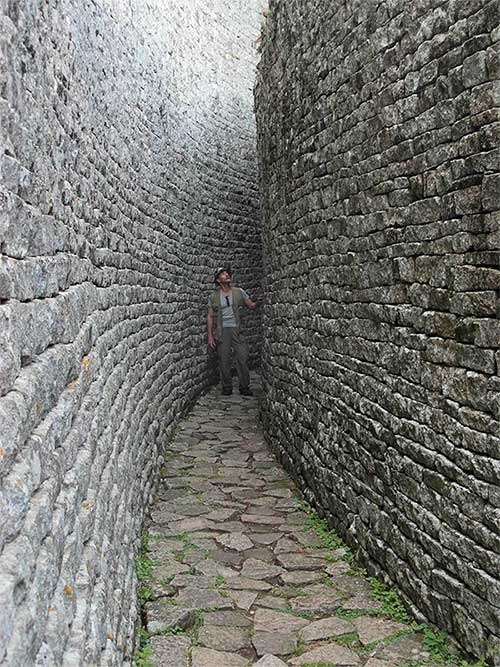
The walls of Greater Zimbabwe remain remarkably sturdy despite the absence of mortar. (Image: Sacredsites.com).
Others suggest that Greater Zimbabwe was a trading post of the Portuguese or Phoenicians. They built it as a resting place and a place to exchange and trade goods, and when it was no longer needed, they abandoned it, which is why the structure has become a ruin.
Although now just ruins, Greater Zimbabwe still plays a significant role as a symbol of African civilization. In 1986, UNESCO recognized it as a World Heritage Site as “the largest medieval stone structure in sub-Saharan Africa.” Because all conclusions about this magnificent stone city are based on speculation, it remains an intriguing challenge for future archaeologists to find answers to.